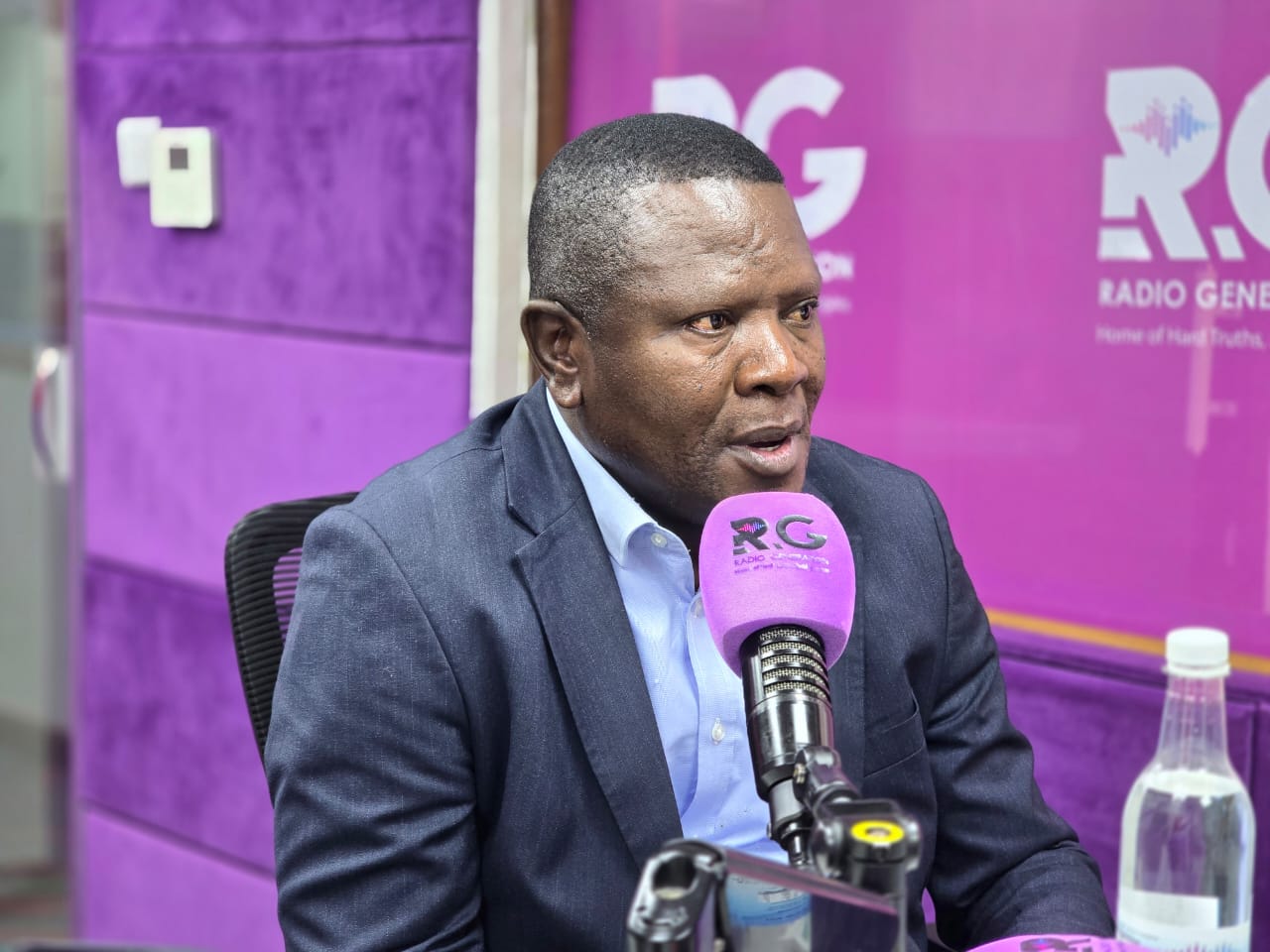
The National Transport and Safety Authority (NTSA) has urged motorists to plan journeys carefully, service vehicles in advance and assess their own fitness to drive, warning that many road crashes stem from fatigue, poor preparation and risky behaviour rather than bad luck.
Speaking on Radio Generation on Thursday, NTSA Manager for Road Safety Programmes Samuel Musumba said drivers often set out on long journeys without basic checks, only to break down on highways and expose themselves and others to danger.
“You didn’t check the engine, the oil, the water, no, you didn’t service the vehicle,” he said, warning that cars driven short distances in town will respond in one way but behave very differently on highways.
Kenya has in recent months witnessed a worrying surge in road accidents and fatalities, prompting renewed intervention by the National Transport and Safety Authority (NTSA).
By early December 2025, more than 4,400 people had been killed on Kenyan roads, already exceeding the total recorded over the same period in the previous year.
Thousands more have been injured in crashes reported across the country, reinforcing concerns that road safety indicators are moving in the wrong direction despite existing laws and enforcement measures.
The data shows that vulnerable road users bear the greatest burden of these crashes. Pedestrians account for the largest share of fatalities, followed closely by motorcyclists and pillion passengers, reflecting the risks posed by speeding, poor visibility, lack of protective gear and weak compliance with traffic rules.
Urban and peri-urban counties such as Nairobi, Kiambu and Nakuru consistently record the highest number of accidents, largely due to traffic congestion, mixed road use and high volumes of public service and commercial vehicles.
Accidents spike sharply during peak travel periods, especially school holidays and festive seasons, when long-distance travel increases and vehicle breakdowns, fatigue and reckless driving become more common.
These trends have informed NTSA’s decision to intensify road safety measures, including stricter vehicle inspections, digital enforcement systems, demerit points, mobile courts and closer collaboration with police and the judiciary.
The authority says the aim is to improve compliance, deter repeat offenders and ultimately reduce the unacceptably high toll of deaths and injuries on Kenyan roads.
Musumba stressed that travel fatigue begins long before a driver gets behind the wheel. “Fatigue does not start with the road. Fatigue starts from your bedroom,” he said, urging motorists to consider how many hours they have slept and whether they are fit to drive.
He also advised families to plan meals and packing sensibly, noting that overloading vehicles with unnecessary luggage compromises safety.
As travel increases during peak seasons, NTSA says it is strengthening enforcement and coordination with the judiciary and police to improve compliance and reduce repeat offences.
Musumba said mobile courts are being deployed near major highways and police stations to process cases quickly. “We need to inconvenience you so that tomorrow you do not repeat that,” he said, adding that drivers must first acknowledge when they have broken the law.
The NTSA, established by an Act of Parliament, regulates road transport, licensing operators, accrediting driving schools, licensing drivers and inspecting vehicles.
The NTSA Manager said the authority does not construct roads or police motorists but supports enforcement through standards, inspections and technology. “Our work is roads,” he said, explaining that the goal is to make transport “efficient, affordable, accessible and safe”.
He highlighted expanded inspections, including plans to inspect private vehicles, and the roll-out of more secure digital number plates with QR codes to curb duplication and fraud. “The uptake has been very good,” he said, noting that the new plates improve security and traceability.
On enforcement, he said the law allows NTSA to prohibit unsafe vehicles from moving, including by removing number plates.
“If the speed governor is not working, you are a danger to yourself,” he said. Alcohol enforcement, he added, is carried out administratively by NTSA in support of police prosecutions, with a focus on whether a driver is fit to drive.
Musumba warned that drunk driving is linked to speeding, failure to wear seat belts, phone use and poor vehicle control. “Most drunk drivers are the ones speeding,” he said.
The authority also plans annual licence renewal for drivers aged 60 and above, with medical reports required, alongside advice on speed moderation, daylight travel and comfort to reduce strain. “Enjoy driving. You don’t stress yourself when you’re driving,” Musumba said.
He acknowledged public resistance to enforcement, particularly alcohol testing, but said the objective is prevention, not punishment.
“I’d rather have 100 people get home safely than arrest 100 people,” he said, calling for stronger public awareness and behaviour change. “Ninety per cent of our problems is just the way we behave.”































Comments
Sign in with Google to comment, reply, and like comments.
Continue with Google